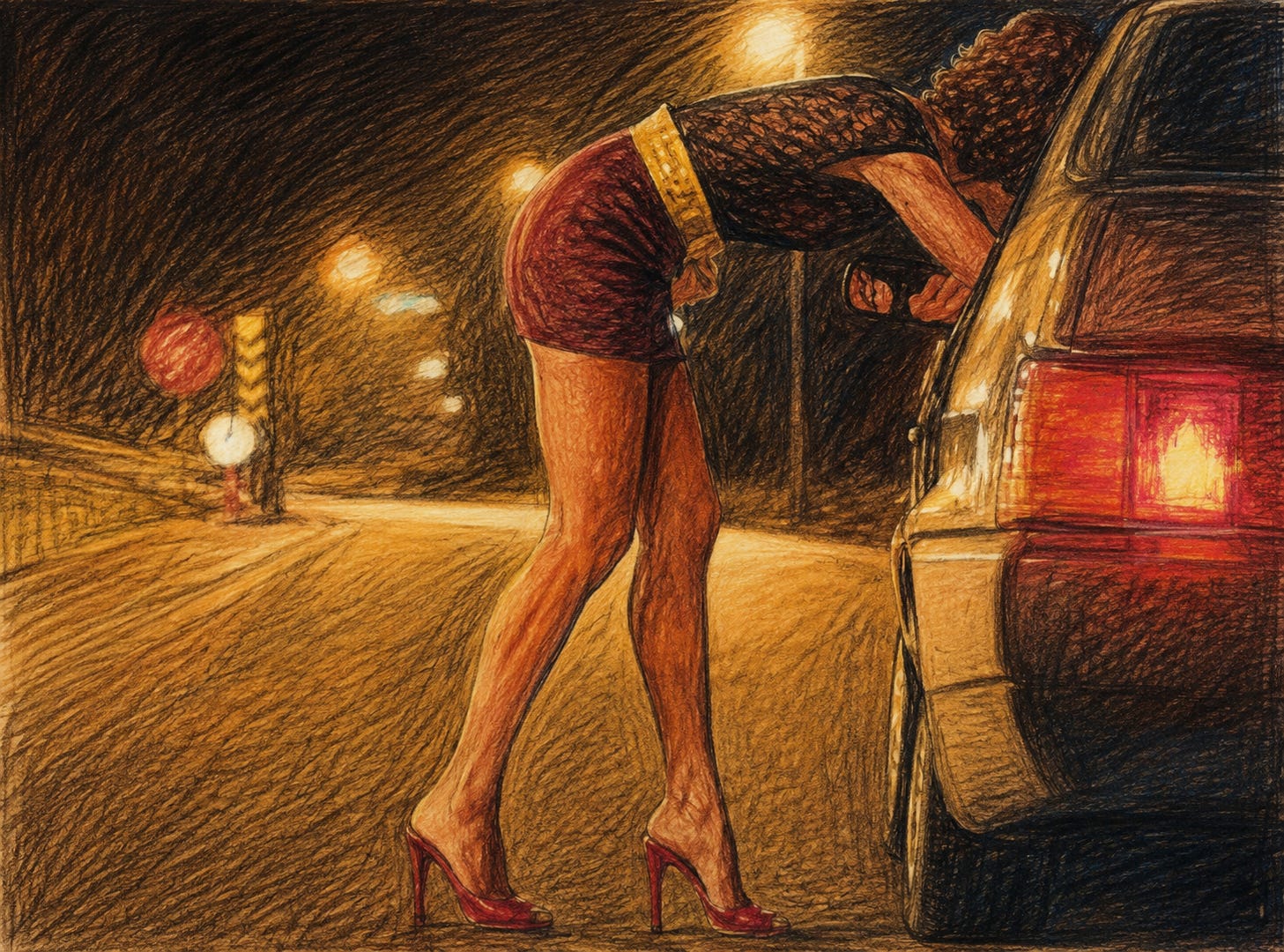
The Cost of Self Abandonment
You'll Never Do It Again After You Read This
Dear Permission to Be Powerful Reader,
I didn’t realize I couldn’t trust myself until I started to trust myself.
That’s when I could see all the earlier versions of me that didn’t.
That’s the strange thing.
You don’t realize you’re abandoning yourself while you’re doing it.
You realize it afterward.
Self-abandonment is simple…
It’s not acting in your own self-interest.
That’s all.
You came into this world alone.
You’re going to leave alone.
And you came for a reason.
You have to look after yourself.
And the further you get away from that, the weaker you become.
More depressed.
More confused.
More resentful.
More lost.
That’s what happened to me.
My life began to improve in radical ways when I started putting myself first.
Not because I became selfish.
Because I tested the opposite to death.
I really did.
I tested it thoroughly.
I spent years putting everybody else first.
And I have the receipts.
It never got me anything good.
Nothing.
I know what self-abandonment gets me.
I’ve lived it.
Here’s an example.
I lived with shin splints, plantar fasciitis, knee pain, and joint pain for years.
My whole life, really.
And I never looked into it.
I just suffered.
I didn’t ask questions.
I didn’t advocate for myself.
I just grit my teeth... for decades.
I didn’t go to a podiatrist until I was thirty-three.
Thirty-three.
And afterward I thought:
“What the hell took me so long?”
Why didn’t I fight for myself?
Because I wasn’t the kind of person who fought for himself.
I fought for other people.
That’s how I lived.
I thought that’s what good people did.
I lived that way in my marriage too.
I moved to a city I didn’t want.
Bought a house I didn’t want.
Built a life I didn’t want.
Not because anybody forced me.
Because I thought that’s what I was supposed to do.
Then I got divorced.
And I started dancing.
I danced all over the country.
I ran a hundred races.
I lived in a monastery.
Things I had dreamed about.
Things I fantasized about.
Things I would’ve never done if I stayed married.
And I discovered something.
Life was radically better my way.
Not perfect.
Better.
That’s what taught me to trust myself.
Experience.
I tested the alternative.
And the results sucked.
Even in my work.
The further back you go in my career, the more editors I had.
Everybody had opinions.
Everybody knew better.
Everybody thought they were right.
Today, nobody edits my work.
Ironically, I write better than ever.
Because the truth is, most people don’t know what they’re talking about.
They don’t have your experience.
They weren’t there.
They’re guessing.
Everybody is guessing.
And if you let enough people edit your work, eventually you’ll start believing your own ideas are dog shit.
And who wants to sell dog shit?
Nobody.
Recently, somebody emailed me after reading one of my essays.
He said one line stuck with him.
He was curious about my writing process.
How do I know when an idea is ready?
How do I know when I’ve pushed it far enough to become an essay?
And I realized something.
That isn’t really the question.
The real question is:
“Who am I to believe my ideas are good enough for the world to see?”
That question took me more than a decade to answer.
Because for most of my career, I didn’t trust myself.
I abandoned my own perspective before anybody else had the chance to reject it.
I assumed other people’s voices mattered more than mine.
What changed wasn’t my writing.
It was my psychology.
The conviction people hear now didn’t come from finding a better process.
It came from living a hard life.
From therapy.
From meditation.
From making mistakes.
From slowly learning to trust myself.
Most of what I publish today are the same kinds of conversations I would’ve had with my ex-wife over coffee years ago.
The difference is that back then, I would never have published them.
Not because the ideas weren’t good enough.
Because I didn’t believe I was.
That’s self-abandonment too.
Years ago I read Secrets of Closing the Sale by Zig Ziglar.
And his whole message was simple.
You have to believe in yourself.
Then you have to believe in the product.
Because people know.
They can feel it.
And if they sense you don’t believe in yourself, they’ll back out every time.
Life works the same way.
People think self-abandonment is noble.
I don’t.
I’ve done it.
I know where it leads.
It leads nowhere good.
And here’s another example.
Somebody disrespects you.
And they’re still your friend.
Why?
Somebody bullies you.
And you let it slide.
Why?
Somebody crosses your boundaries.
And you tell yourself it’s not that bad.
Why?
That’s self-abandonment.
That’s you saying:
“I’m not worth the effort.”
And after living both ways, I’m completely convinced.
Life is better my way.
Not because I’m always right.
Because I have the receipts.
I know what abandoning myself gets me.
I’ve been there.
I’ve done that.
And I know where it leads.
Nothing good.
Tony V.
Editor-in-Chief
Permission to Be Powerful


